







The Complete Guide to Essential Cooking Equipment For Your Home
Welcome back to our complete guide to essential cooking equipment. In Part One, we covered the foundation of any well-equipped kitchen - quality cookware. Now let's dive into the supporting players that transform cooking from guesswork into a reliable, enjoyable craft.
After over 30 years in professional kitchens, I've learned that the difference between struggling through a recipe and executing it with confidence often comes down to having the right tools within arms reach. These aren't fancy gadgets designed to impress your neighbors - they're the workhorses that make cooking safer, higher quality, and more consistent.
Basic Utensils and Gadgets: Understanding the Difference
Before we explore specific tools, let's clarify something important. In the culinary world, a utensil is a simple, essential tool that performs necessary tasks - stirring, flipping, measuring... A gadget, on the other hand, typically performs more specialized functions or makes certain jobs more convenient and precise.
Both have their place, but utensils form the backbone of your kitchen toolkit.
Essential Utensils: Your Daily Kitchen Companions
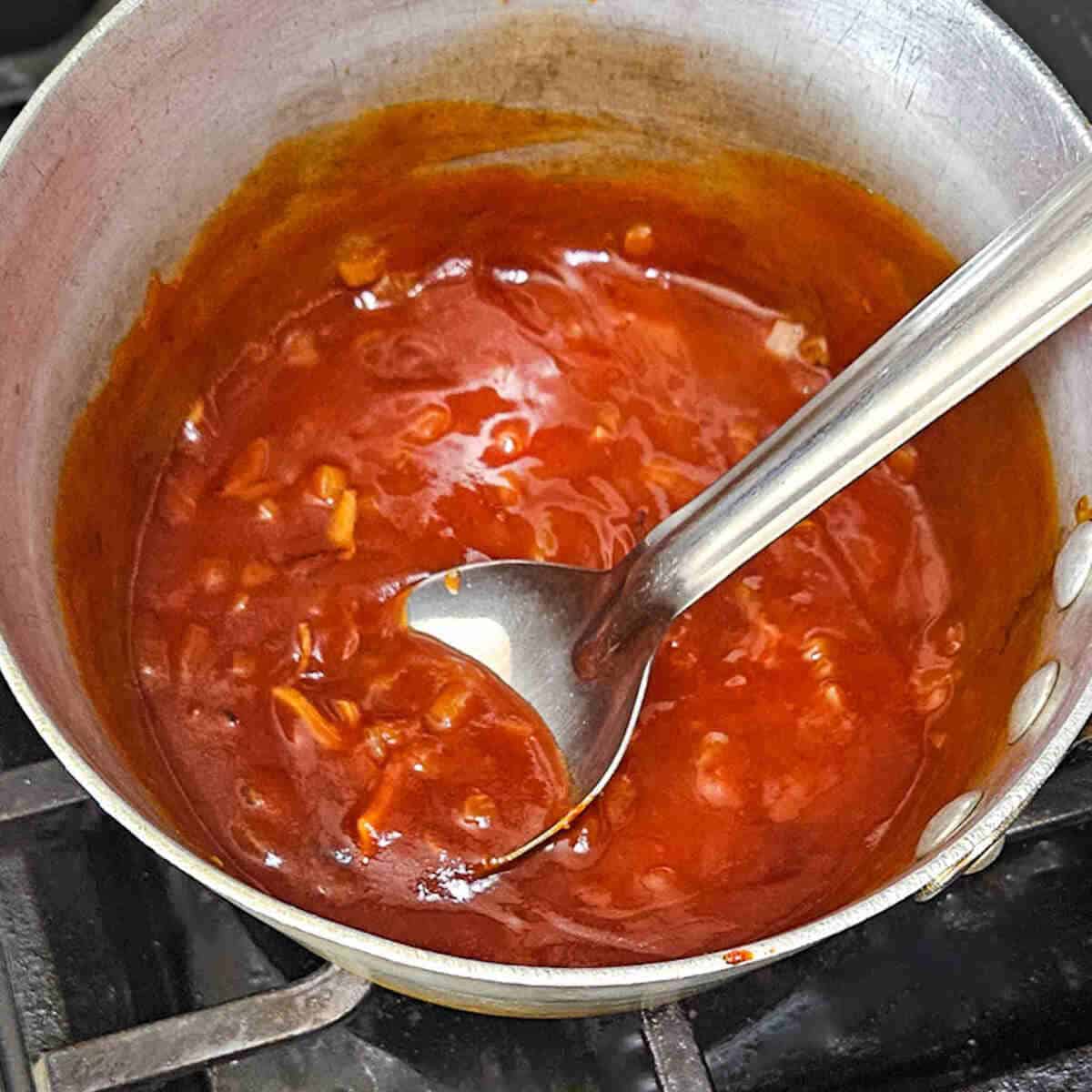

- Large Cooking Spoons - You'll reach for these more than most any other tool. They stir , scrape, scoop, serve, and allow you to taste as you cook - which is absolutely critical for developing your palate. Focus on sturdy, food-safe, heat resistant materials over appearance. Wood, stainless steel, or high quality silicone all work beautifully.
- Tongs - Think of these as heat-proof extensions of your hands. They allow you to manipulate and move hot items safely and with precision. Essential for everything from turning proteins to tossing salads.
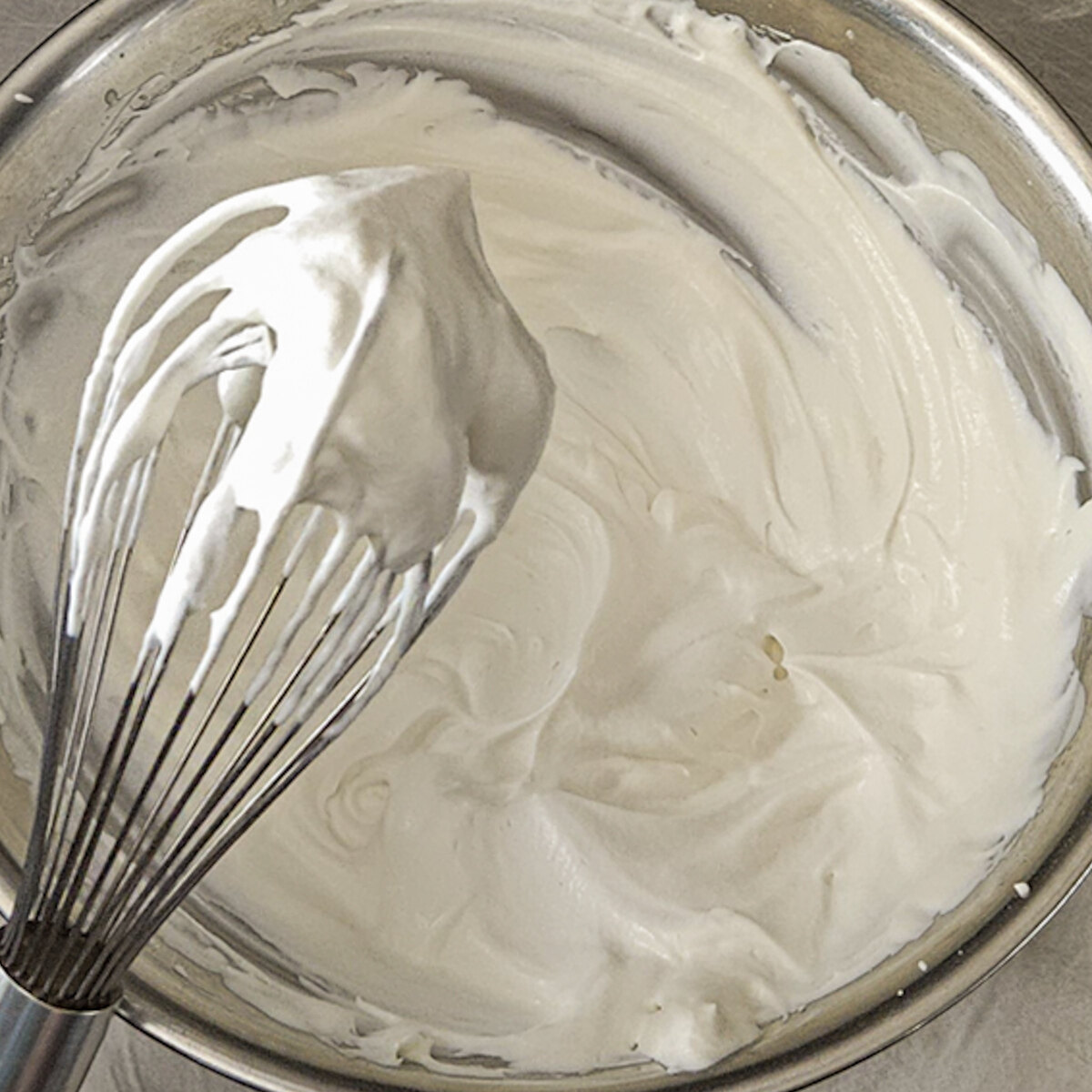
- Whisk - If you want to create smooth sauces, properly incorporate air into batters, or achieve silky texture in custards and dressings, a good whisk is indispensable. The wire construction breaks up lumps and creates the emulsion that makes sauces sing.
- Measuring spoons - Everyone wants to emulate the chef or great cook that never had to measure things. Trust me, there was a time when even those folks had to learn that skill, whether by trial and error, or by measuring. Unless you don't mind eating your mistakes while you learn that "magical" skill, you'll want some of these.
- Silicone Spatula - Notice I specify silicone, not rubber. Silicone spatulas are heat resistant up to over 300F, so they won't melt in hot pans. They're perfect for scraping every bit of precious sauce or batter from bowls and pans - waste nothing.
- Offset Spatula - Also called a "turner", this angled tool slides easily under delicate items for flipping. Consider having both a silicone (for non-stick surfaces) and metal versions (for grills and higher heat applications).
- Measuring Spoons and Cups - Every accomplished cook started by measuring ingredients precisely. This builds your understanding of proportions and flavor balance. Invest in a complete set with clear, durable markings.
- Strainer/Colander - Essential for draining pasta, washing vegetables, and straining stocks or sauces. Consider both fine mesh and larger-hole versions for different applications.
- Oven mitts and Kitchen Towels - In professional kitchens, we often use folded dry towels instead of mitts - they're more versatile. Whatever you choose, remember one critical thing: never use wet mitts or towels on hot surfaces. Steam will burn you instantly.
Game-Changing Gadgets: Precision Tools that Matter
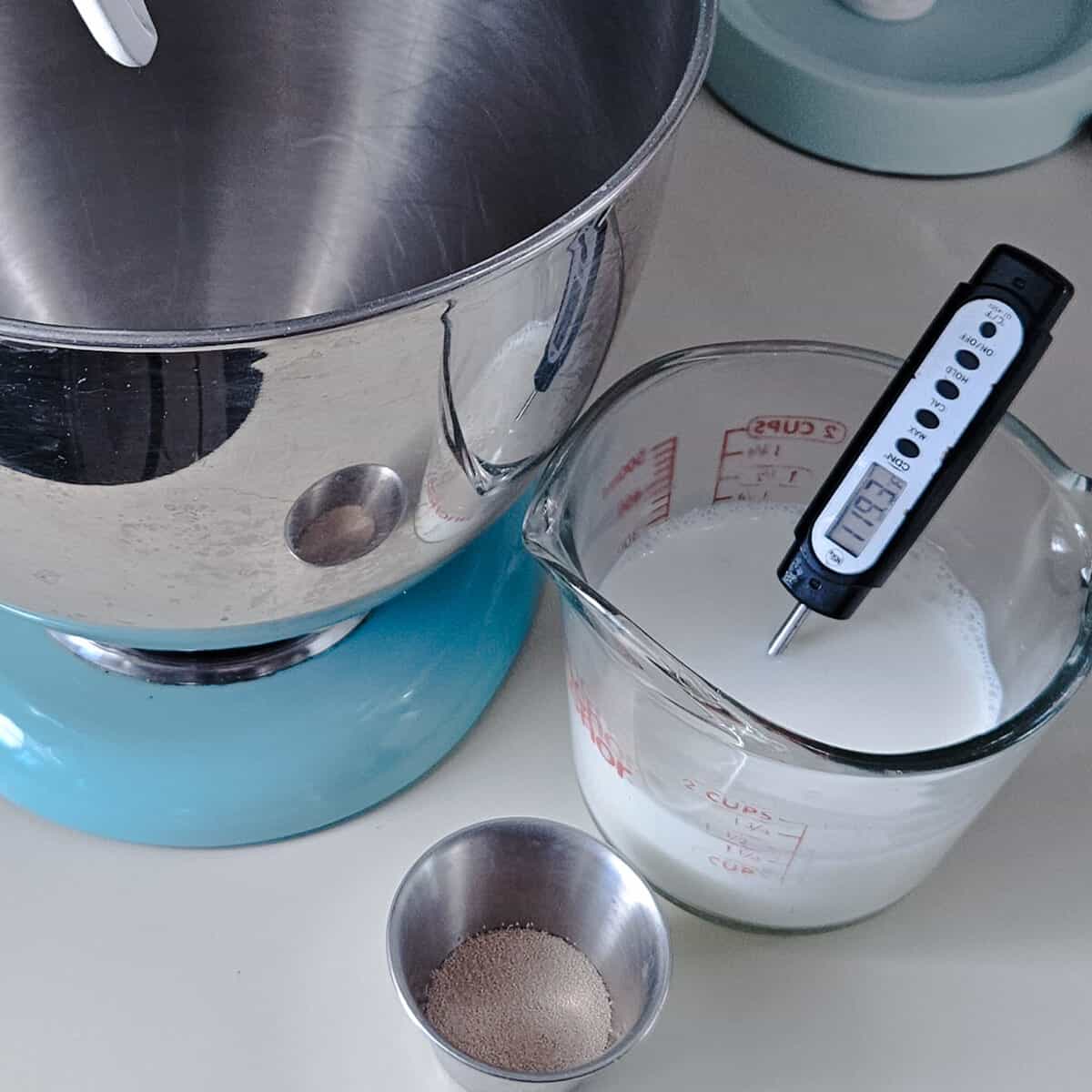
- Digital Probe Thermometer - This might be the most underappreciated tool in home kitchens. Temperature control is fundamental to food quality and safety. No more guessing whether chicken has reached165F or if your bread dough is at the optimal temperature for rising. This single tool will improve your cooking consistency dramatically.
- Kitchen Scale - Professional kitchens measure most ingredients by weight, not volume, for good reason. "half a cup of chopped onions" means different things to different people, but 4 ounces is always 4 ounces. Your recipe success and consistency will improve immediately.
- Can Opener - Simple but essential. Choose one you're confident using - there are so many styles, from traditional manual to smooth-edge designs.
Storage and Organization: Preserving Your Efforts
Once you've created something delicious, proper storage ensures you can enjoy it safely later.
- Quality containers - Choose based on your needs: glass for reheating, plastic for portability, metal for durability. Stackable designs maximize space efficiency.
- Labeling System - Painter's tape and a permanent marker are your friends. Always date your food - your future self will thank you when playing "identify the mystery container".
- Appropriate Bags - Both reusable and disposable bags have their place. Reusable for environmental and economic reasons, disposable for items you never want to clean again.
Small Appliances: Convenience That Counts
These aren't essential for basic cooking, but they can significantly improve efficiency and expand your culinary possibilities.


- Toaster Oven - Perfect for small jobs without heating your entire oven. Especially valuable in summer when you want to avoid heating up the kitchen.
- Quality Blender - If you invest in one significant appliance, consider a high quality blender. A good one (like a Vitamix) will last decades and handle everything from smoothies to hot soups. An immersion blender is also valuable for its convenience and easy cleanup.
- Food Processor - Where blenders excel with liquids, food processors handle chopping, slicing, and grating tasks that would otherwise consume significant time and effort.
- Air Fryer - This relatively new appliance has earned its popularity. It creates crispy textures quickly with minimal oil - a genuine improvement over traditional frying methods.
- Microwave - While not ideal for actual cooking, it excels at reheating leftovers and certain specific tasks like quickly warming ingredients or melting butter.
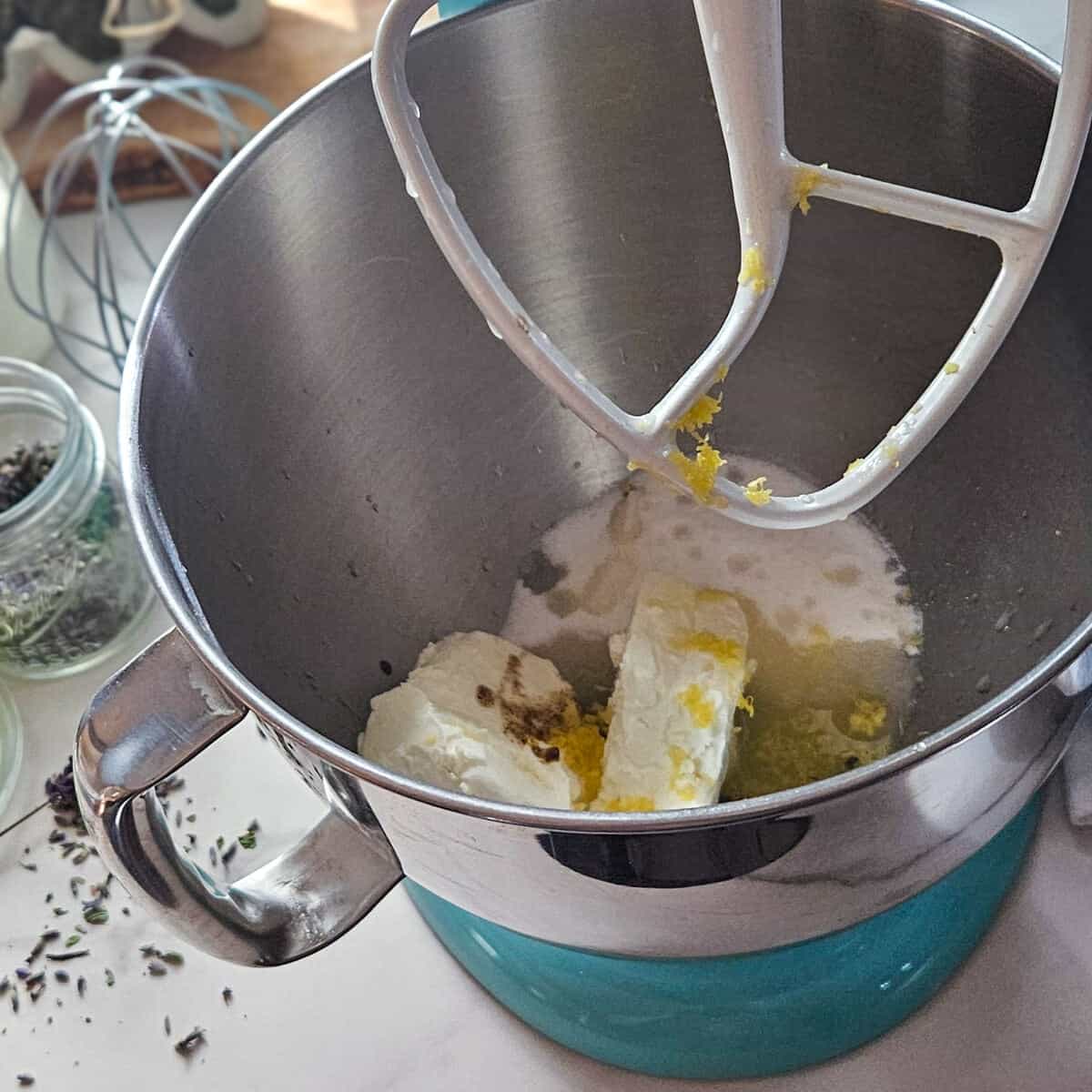
- Stand or Hand Mixer - Hand mixers are adequate for most tasks and more affordable. Stand mixers are investments that pay dividends if you bake frequently - they free your hands and can handle heavy doughs.
- Instant Pot - These devices excel at turning typically slow-cooked dishes into weeknight possibilities. The learning curve is manageable, and the time savings are substantial. I didn't list traditional pressure cookers because of safety issues inherent in their design.
- Slow Cooker - The original "set and forget" appliance. Perfect for stews, braises, and dishes that benefit from long, gentle cooking.
A Word About Gadget Marketing
Be skeptical of single-use gadgets. If a tool only performs one function that you can accomplish with equipment you already own, skip it. Always consider whether the problem the gadget is purporting to solve is really even a problem that you come across. Your kitchen drawers and your budget will thank you. The best tools earn their space by being useful repeatedly.
Building Your Kitchen Thoughtfully
Start with the essentials and add tools as your cooking evolves and your interests develop. Quality over quantity always wins. A few well-made, versatile tools will serve you far better than drawers full of specialized gadgets you rarely use.
Remember, great cooking comes from understanding ingredients, mastering techniques, and tasting as you go. Tools support this process - they don't replace skill and attention.
What questions do you have about kitchen equipment? We'd love to hear about your experiences -both victories and disasters- as you build your kitchen toolkit. Share your thoughts in the comments below, and lets learn together.
Ready to put those tools to work? Check out our recipe collections for inspiration, and don't forget to tell us how your culinary adventures unfold!






Comments
No Comments