











Dark Roux - This foolproof oven method for making dark roux eliminates the need for constant stirring and difficult, frustrating heat control! Using a heavy bottomed pot and your oven, you can achieve that perfect chocolate roux color and nutty flavor essential for authentic New Orleans gumbo without the stress of traditional stovetop methods.

Making dark roux the traditional way requires standing over the stove for up to an hour, constantly stirring to prevent burning. A roux is very easy to burn doing it on the stovetop due to the nature of radiant heat from below, necessitating constant stirring and very precise control of the heat. One moment of inattention can ruin an entire batch, leaving you with burnt roux and starting over.
This oven roux changed my approach to gumbo-making forever, and I learned it during my early days in New Orleans kitchens where efficiency and consistency were everything.
Roux is simply equal parts flour and fat, cooked together to form a thickening agent. For dark roux used primarily in gumbo, it becomes a major flavoring component as well. The deeper the color, the more complex the nutty flavor becomes, though it has less thickening power. This oven baked technique delivers that coveted chocolate roux with minimal hands-on time.
During my culinary training in New Orleans, I watched countless home cooks struggle with traditional roux methods. the constant stirring requirement meant you couldn't multitask, and the precise heat control could be tricky. Cooking it in the oven makes the heat have a higher level of overall convection, and that is what makes the browning easier to control. This is the best way to make gumbo roux.
For more Louisiana classic recipes, be sure to check out our blackening seasoning, one pot pastalaya, or blackened chicken. Stay tuned and check in often, we will have many more Cajun and Creole specialties to share!
Jump to:
What You're Going to Need!
This foolproof oven roux requires minimal ingredients but delivers the best results.
- All Purpose Flour - The foundation of any roux; never use self-rising.
- Vegetable Oil - This recipe uses plain vegetable oil to demonstrate the method; you can choose many different types of fat, (as described here), just make sure that they have a higher smoke point to achieve darker roux.
- Heavy Bottomed Pot - Essential for even heat distribution: a cast iron skillet or heavy Dutch oven prevents hot spots. Make sure that it is oven-safe, and with high enough sides to easily accommodate the ingredients and enough space to stir.
- Wire Whisk - Critical for initial incorporation on stovetop; ensures smooth mixture before oven cooking.
- Wooden Spoon - For stirring during the oven baked process; a wooden spoon won't conduct heat dangerously.
See recipe card for quantities.
How to Make Foolproof Oven Dark Roux
This oven method eliminates the guesswork and constant stirring of traditional roux preparation while delivering consistent good roux every time.

- Heat oil on stovetop. Place your pot on the stove over medium heat, or medium high heat in order to add and heat the oil. You'll know the oil is hot enough when a pinch of flour will "dance" - scatter and sizzle on the surface. This visual cue ensures proper cooking flour incorporation from the start.

- Add flour and whisk rapidly. Add all the flour at once while rapidly stirring with a wire whisk to fully incorporate into the mixture. This initial mixing ensures no lumps form. The mixture should be completely smooth before proceeding to cooking in the oven.
- Stir periodically as roux cooks. Depending on your desired color, cooking time will be 2-4 hours total. Stir every 30 minutes for just a few seconds, making sure to scrape the bottom of the pot thoroughly. Watch it progress from light roux to blonde roux to peanut butter roux and finally to dark brown roux or chocolate roux.

- Monitor for right color. for Cajun gumbo roux, aim for that rich chocolate color. For more of a creole cuisine style, seafood gumbo, for instance, stop at peanut butter color for a lighter roux with more thickening power. You can tell from the smell also - it should have a pleasant, popcorn and nutty aroma. If it goes from that to very foul and burnt, you have burnt roux that cannot be saved, no matter what.
Understanding Roux Types and Colors
As roux cooks in the oven, it progresses through distinct stages. Each type of roux serves different purposes in cooking:
White Roux: Highest thickening power, mildest flavor. Common in French cuisine for cream sauces and gravies. this light roux is cooked just until the raw flour taste disappears. This only takes just a little time on the stove, about 5 minutes.
Blonde Roux: Develops slight nutty flavor while retaining strong thickening power. Perfect for béchamel and lighter sauces. Classic French roux is made for equal parts fat and flour that is only lightly cooked to thicken and enrich sauces and soups. Therefore French cuisine roux is only going to be pale or blonde, never dark like what is made here for Louisiana cuisine. This should be ready in the oven at around 30 minutes.

Peanut butter/brown roux: Deeper nutty flavor with good thickening power. A more Creole style seafood-based gumbo will usually use some clarified butter in the roux, and it will be lighter in color, more peanut butter than chocolate. This roux will have more thickening power as it is cooked for less time. Creole gumbo is therefore commonly a little thicker than Cajun. About an hour and a half to 2 hours should do it.
Dark brown/Chocolate Roux: Rich chocolate color with intense nutty flavor and less thickening power. Essential for authentic Cajun gumbo. Cajun gumbo typically has a darker, more animal fat-based roux. The roux in gumbo is primarily about adding a savory flavor base than thickening, although is does both. This requires some patience, at least two and a half hours, or as much as 4 max.

Chef Tips
A burnt roux is completely un-save-able, as it will make gumbo or anything that it is cooked with taste terrible.
How do you know if you have burnt your roux? - To be honest, you will know. If you are wondering why it smells foul and acrid and has black specks throughout, there's your sign. Proper roux smells like popcorn and roasted nuts.
Using roux in your cooking can be approached in one of two ways: Either making a known quantity for the finished dish and adding cold ingredients into the hot roux, or making the roux in advance and adding it to the base - cold roux to hot - and stirring together to achieve the flavor and thickness desired. Adding hot roux to hot liquid, or cold roux to cold liquid will result in the roux not dissolving well, leaving behind balls of roux, which is not at all desirable, trust me. (yuck!).
This recipe is for making the roux in advance, which makes it easier to make your gumbo to your taste and desired thickness. Making roux and using it hot to complete the recipe runs the risk of it coming out too thick or too thin, which makes you either have to thin it out (reducing the ability to make it full flavored), or accept thin results.
Variations
This oven roux method works with various fats, each contributing unique flavors to your creole cuisine or Cajun cooking.
- Vegetable Oil (Soybean, Sunflower, Canola Oil, etc.) - Neutral flavor, demonstrates pure technique, readily available for home cooks.
- Peanut Oil - Excellent higher smoke point, adds subtle nuttiness that complements the nutty flavor of dark roux.
- Animal Fat (Lard, Duck Fat, Chicken Fat) - Traditional for Cajun dark roux, adds rich savory depth and complementary notes of the proteins used.
- Bacon Fat - Adds smoky notes, perfect for Cajun gumbo with more hearty and pronounced flavor when used in moderation, blended with other fat.
- Clarified Butter - More Creole style, especially nice for seafood gumbo and lighter roux, like a peanut butter color.
Storage & Helpful Hints
Cool completely and store in an airtight container - mason jars work excellently. Room temperature storage lasts 2-3 days, refrigerated keeps up to 6 months, frozen stores for 1 year.
You read that right, this stuff stores well and for a long time! Feel free to do make-ahead batches. They will take a little longer, but you will have this magical stuff whenever you need it.
When storing, the oil may separate slightly on top - this is ormal. Simply stir it back in or pour off excess before using.
Always use caution when handling hot roux! It's like molten lava and extremely dangerous if spilled.
Recipe
Easy Oven Baked Dark Roux Recipe - No Constant Stirring!
Ingredients
Equipment
Method
- Heat an oven to 375F.
- Heat a heavy bottom, oven safe saucepan over medium high heat for 2 minutes.
- Add the oil to the pan and heat until a pinch of the flour foams and sizzles on the surface, about 4 minutes.
- Add the flour to the oil while stirring rapidly with a wire whisk to fully incorporate the flour into a paste.
- Place the saucepan into the oven.
- Every 30 minutes, remove the pan from the oven and stir it very briefly and return it to the oven until the color desired is achieved, for a maximum of 4 hours, (see post).
Nutrition
Tried this recipe?
Let us know how it was!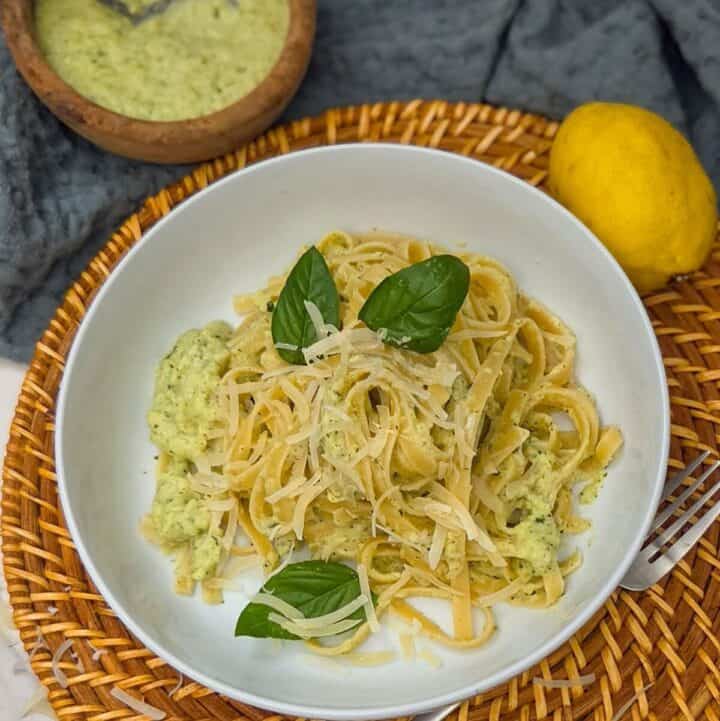
Newest Recipe!
Creamy Zucchini Alfredo Sauce Recipe
This creamy sauce is a great way to utilize the pounds of zucchini we all grow every year! The creamy cheesy flavor makes this a zucchini recipe the whole family will look forward to.
FAQ
Any fat with a higher smoke point works well. Vegetable oils like canola oil are neutral. Peanut oil adds subtle flavor. Animal fat like lard is traditional for Cajun dark roux. Avoid regular butter for dark roux as it burns easily.
Creole style roux, typically for seafood gumbo and lighter flavored meats like chicken is often lighter in color (blonde or peanut butter), sometimes made with clarified butter, and has more thickening power. Cajun roux is darker, typically made with animal fat, and focuses more on flavor than thickening.
As roux cooks longer and gets darker, the flour's starches break down, reducing thickening ability while developing deeper nutty flavor. White roux thickens most, chocolate roux thickens least but adds maximum flavor.






Comments
No Comments