





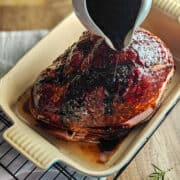






Welcome to the wonderful world of BBQ! If you've ever stood in front of a grill looking as lost as a vegetarian in a steakhouse, don't worry-we've all been there.
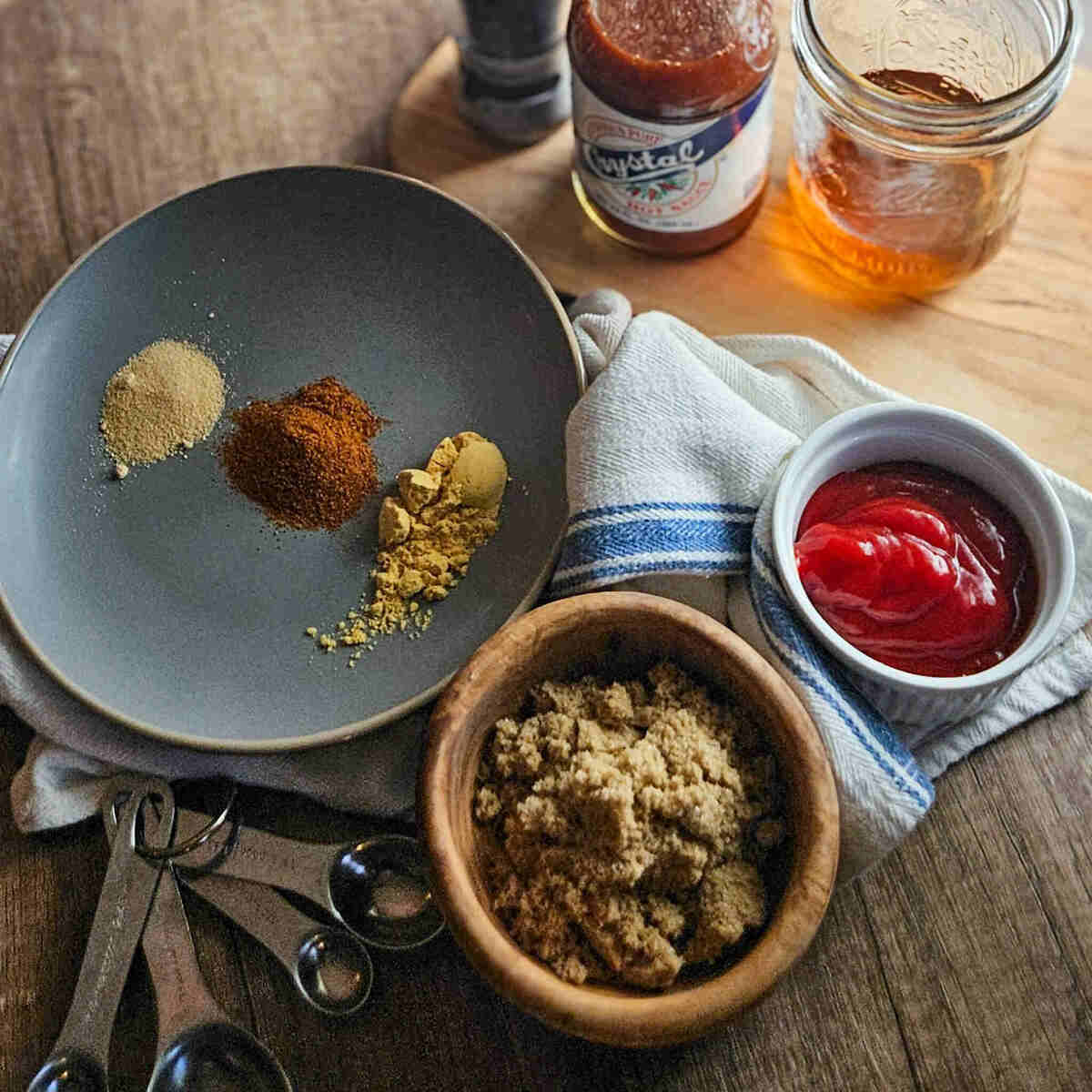
Today we're diving into the essential barbecue tips that'll transform you from a backyard amateur into someone who actually knows the difference between grilling and smoking slow and low, (spoiler alert: it's not just the amount of beer consumed).
Grilling vs. BBQ: What's the Deal?
Let's clear us the debate that may be keeping you awake at night. Grilling is like sprinting - fast, hot, and over relatively quickly. You're cooking over high heat, usually around 400 to 500 degrees F at the actual grill grates, and your food is done faster than you can say "where's the barbecue sauce?". BBQ and smoking, on the other hand, are more like a leisurely Sunday stroll. We're talking about low temperatures, (225 - 300F), using indirect heat, where patience isn't just a virtue, it's mandatory.
Jump to:
The type of grill you choose makes a huge difference here. A propane grill is perfect for quick weeknight dinners and grilling veggies, while a charcoal grill gives you that authentic smokey flavor that makes your neighbors mysteriously appear at dinner time. Both of these can have some true smoke flavor added with the addition of some chips or chunks of smoking wood, lightly soaked with water and placed really close to the heat source to smolder. For the truly dedicated, an offset smoker or a pellet grill offers the best of both worlds should you desire, the pellet grill with precise temperature control.

Getting Your Equipment Game Right
Before you start cooking great BBQ, you need the right equipment. Think of it as your BBQ toolkit - without it, you might as well just be a person waving meat around a fire pit.
First up: the meat thermometer. This isn't optional folks. Guessing internal temperatures is like playing Russian roulette with dinner. If your finished product hasn't gotten to the right temp, it can be tough, dry, or absolute worst case scenario, dangerous to eat. This piece of equipment in conjunction with a temperature guage for the smoker itself will take the mystery out of cooking tiimes and ensure that your guests won't spend the evening gettng way too aquanted with your bathroom.
For charcoal enthusiasts, ditch the lighter fluid, (unless you enjoy the taste of petroleum with your pork). A chimney starter is the best way to get your lump charcoal, (the natural hardwood stuff is best), going without turning your food into a science experiment.
Clean your grill grates with a grill brush before and after each use - nobody wants last week's burger remnants on tonight's steak.
The Art of Heat Zones
Here's where many beginners to the grilling game stumble: understanding heat zones. Your grill isn't just an outdoor stovetop - when used properly, it's a sophisticated cooking instrument that requires finesse. Create different temperature areas by arranging your coals or adjusting your gas burners. This is where having the ability to measure these temps with a probe or even a laser thermometer will help a lot. Doing this gives you options and therefore, better results. You can sear that steak over high heat, then move it to a cooler zone to finish cooking through indirect heat. You can also do the opposite, a "reverse sear", as seen in our post on cooking a Tomahawk ribeye.
For tougher cuts of meat like brisket or pork shoulder, (what is most commonly referred to as BBQ, not grilled), indirect heat is your best friend. These cuts need low and slow cooking to break down those tough fibers into tender, fall-apart deliciousness. Your first steps should always involve setting up these zones before any food hits the grates. Monitoring these temperatures throughout the cook is vital.
Seasoning and Marinating; The Flavor Foundation
"Should I marinate this?" is probably the second most common question beginners ask, (right after "how can I tell if it's done?"). The answer depends on your cut of meat and cooking method. Ender cuts like ribeye or lean chicken breast benefit from simpe seasoning applied 30-40 minutes, (at most), before cooking. Tougher cuts of meat, however, love a good overnight marinade or spice rub to help the seasoning soak in and break down those stubborn connective tissues. Longer is not necessarily better though, if meat is left for too long in contact with aggressively salted rub, or very acidic marinade, it can ahve the opposite effect, and start to leech out too mush moisture, and leave your finished meal dry and rubbery.
For grilling technique success, remember that marinades with sugar or barbecue sauce itself should be applied in the final stages of cooking to prevent burning Nobody wants charcoal-flavored chicken, even if you are using a charcoal grill.
Hard wood chips and Chunks: Your Secret Weapon
Want to elevate your game and make true BBQ? Hard wood smoking is the essential key to open up the barbecue kingdom. Soak them in cold water, 30 minutes for chips, an hour or more for chunks, (you don't want them to burn aggressively, creating white or black acrid smoke, only to smolder), then add them directly to your coals or a smoker box, (you can also create a aluminum foil packet with some holes in it). Different woods provide different flavors: hickory for bold, nutty taste, mesquite for the distinctive Texas pungent and spicy flavor, apple or cherry for beautiful color and subtle sweetness. Experiment with them and find your favorite. Blending them is also a delightful creative process.
Sauce Wisdom: Timing is Everything
Ah. barbecue sauce - the topic that starts more arguments than politics at a holiday dinner. Different regions have their preferences, (ie: laws): Kansas City loves thick, molasses based sauces: Carolina prefers vinegar based concoctions, (see: Western Carolina Lexington Sauce, or Carolina Gold), Memphis likes their sauces on the spicy side, and Texas... well, most Texans think sauce is for quitters and cheaters.
The key is knowing when, or if, to apply it. Sauce too early and it burns, creating bitter flavors that's have your guests questioning your life choices. Apply barbecue sauce, (if you are going to do so at all, the best way to know is to look at what the tradition of the style dictates), in the last 10 to 15 minutes of cooking for the best results. This gives it time to caramelize and form a sticky coat without it turning into charcoal.
Equipment-Specific Tips
Each grill types has its quirks, like relatives at a family reunion. Propan grills offer convenience and consistent heat but require you to add wood for that authentic smoky flavor. Charcoal grills provide traditional taste but demand more attention and skill in maintaining temperature. A traditional log burning side-box style barbecue is for the truly dedicated inthusiast, and needs a lot of practice and skill. Pellet grills are the new kids on the block, offering convenience with authentic wood fired flavor. They are technical and precise pieces of technology, and almost require an engineering degree to repair if they should break down, though, and they are the most expensive of all of these options.
Regardless of your setup, maintaining consistent temperatures is crucial. This is wher your temperature guage and thermometer/s become invaluable - it's like having a compass for your journey.
Your Path to Grilling Success
Your path to BBQ mastery only is as complicated as you desire it to be. It does, however, like all cookery, require patience and practice. Start with forgiving cuts like chicken thighs or pork chops, master your heat control, and gradually wotk up to more challenging projects. Remember, even the most experienced pitmasters started as beginners who occasionally served hockey pucks instead of hamburgers.
Most importantly, don't be afrais to experiment. BBQ is as much art as science, and developing your own style is part of the fun. Keep practicing, stay curious, and soon you'll be the one fielding questions from confused neighbors holding raw steaks.
For additional techniques and regional BBQ styles, keep checking back in here at Season Two Taste, and we also like Serious Eats for their detailed guides and scientific approach to perfecting your craft.
Ready to fire up that grill? Your journey to BBQ greatness starts with the first spark.



Comments
No Comments